

 AN INSIGHT INTO THE IMPLEMENTATION
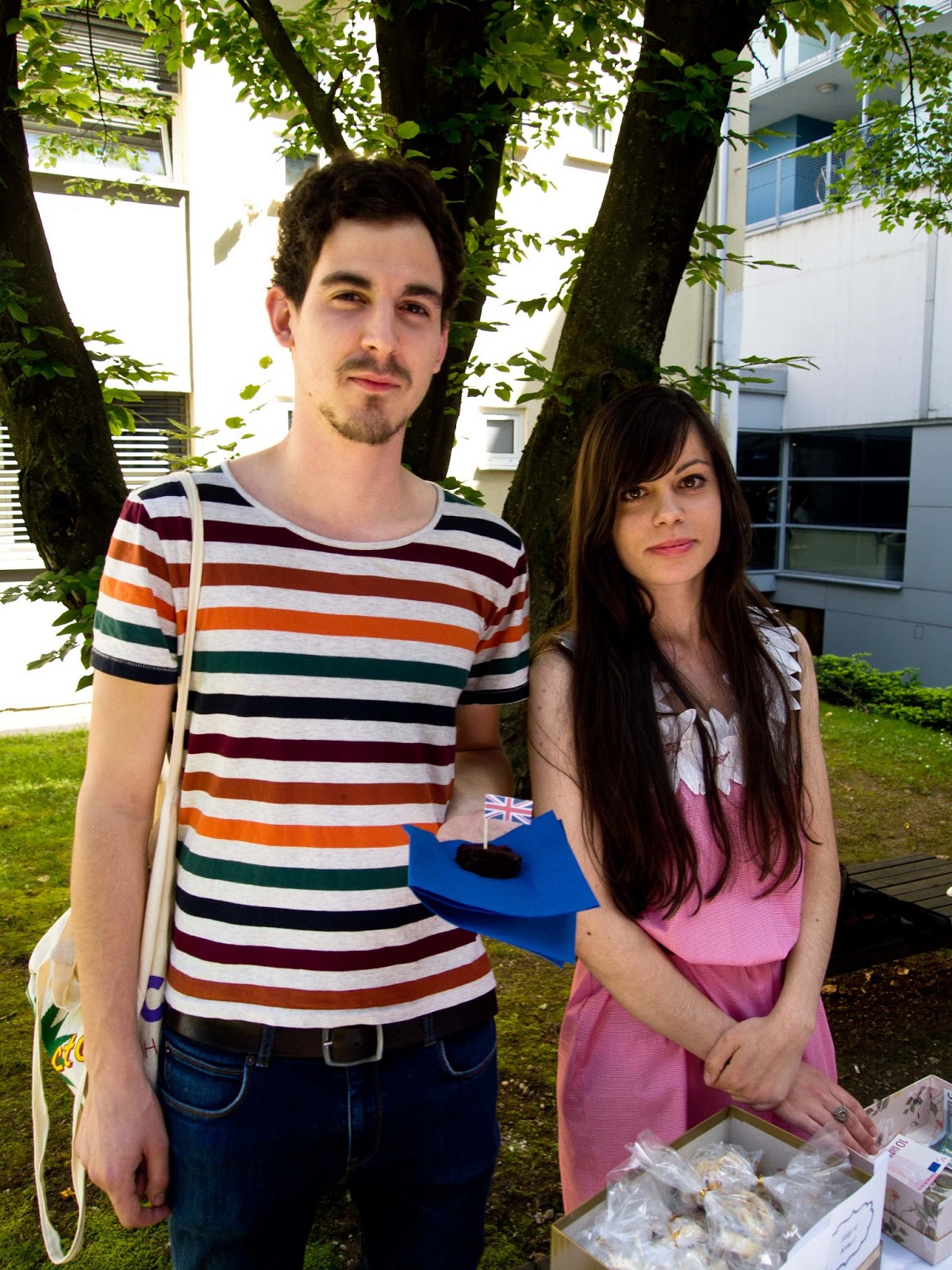
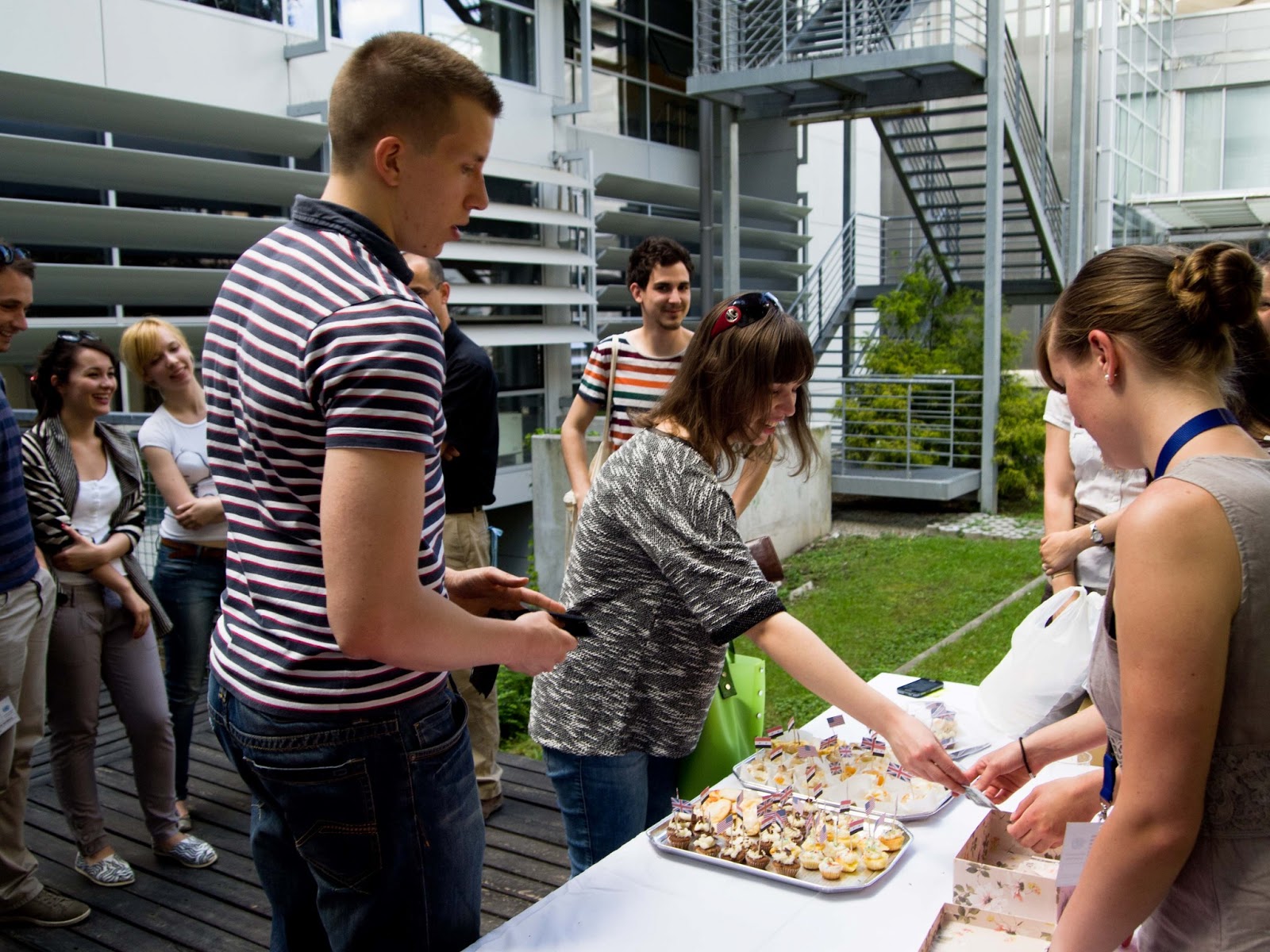
We are slowly coming to an end of the simulation and while we already did an analysis on the adopted resolution against forced migrations and also collected some responses of the delegates right after the GA session, there have been some talks about implementing the resolution. Namely, the US and UK delegations decided to organize an event to prove their determination regarding the implementation of the resolution, and we also received a statement from the representative of South Africa on the current happenings in South Africa regarding the issue of combating forced migrations. What is the potential success of the resolution (or what would it be in real world?). We decided to ask other delegates about their plans regarding the implementation - and about the state of the issue in their countries. Only a minority of delegates responded but nevertheless they provided quite an insight. Due to big differences in dealing with the issue among countries, it is hard to make a thorough review so we recommend that you also read all the interviews below the article.
The states feel that a very good indicator for implemention of the resolution is the fact that it was adopted by consensus. Nigeria is convinced that the consensus only proves the legitimacy of the resolution. But some are also a bit skeptical - we couldn’t put it better than Australia: “After the initial good feelings right after the session, the reality sets in, and we are sure there are countries that might feel a bit hesitant about adopting the whole resolution into their internal law,« said H.E. ms. Mulec. But the overall impression we got from the delegates that responded is that they are quite optimistic. “At the first GA session we saw the political will and we expect States to follow through,” said the UK representative. It could be sensed from other countries as well – they are sure that implementation will take place. H.E. ms. Učakar confirmed this view: “United States of America remain optimistic about the implementation of this resolution. We think that such a broad approach should give States a chance to participate and cooperate on several aspects of the forced migration issue.” Italy stressed there might be some differences in implementation. The resolution consists of three main parts - prevention, protection and burden sharing. “Each state gives preference to one of the three main elements, some states maybe even do not appreciate one part very much, but do support other two, and were therefore willing to support the resolution,” says H.E. ms. Božič. The burden sharing will still be discussed though and Egypt believes “in the success of the upcoming High-Level Dialogue on International Migration and Development, where we will specify the new burden sharing system,” said H.E. ms. Čakić. There is a strong possibility that the resolution will be implemented in different ways in different countries – which is understandable, because countries have different priorities.
When asked about their ways of implementing the resolution, some representatives emphasized that their legal systems already have a certain way of dealing with the issue of forced migrations. “We already have internal legal system that deals with some of the issues mentioned in the resolution,” said Australia. Turkey’s situation is similar – “Turkish law is already in compliance with the spirit of the resolution in many points.” They believe that the situation is not perfect yet in Turkey, although many steps have been taken in order to improve and compensate some injustices that happened in the past. Among those steps is also the implementation of the resolution. Implementation in the USA will also go according to their legal system and already existing policies they have. Both UK and South Korea mentioned that they are proud of some already existing practices of providing a place of refuge for asylum seekers, as they both joined the Convention relating to the Status of Refugees from 1951. Most countries will also try to improve already existing programmes, mechanisms and policies in the light of the adopted resolution. And as Turkey pointed out: “Although we already have legislation regulating the rights of displaced people, we are aware that law by itself cannot change the harsh position they find themselves in,” and we at the UN Herald hope that all countries are aware of this.
Countries specified some of the accomplishments they have already achieved in the area of combating forces migrations. Italy and Turkey, two of the largest recipients of refugees say that they are doing quite a lot. In the area of protection, Italy allocates a lot of money for the protection of displaced persons in Italy and abroad. Another model unprecedented so far is Turkish treatment of Syrian refugees. “We keep the door wide and generously open for our Syrian brothers that are in need of immediate help. There are 17 modern refugee camps throughout the southeast of the country and new are being built, one separate for Syrian Christians. Although it is not their home and cannot compensate it in any case we try to keep standards in refugee camps extremely high - there are televisions, washing machines and people even get weekly pocket money,” said H.E. ms. Jud, representative of Turkey. “Regarding prevention, we already have well established system for fight against SGBV and human trafficking. We do collect, monitor and analyze demographic data and cooperate in the exchange of information,” said H.E. ms. Božič, representative of Italy. Similarly Australia is actively involved in prosecution of intermediaries in illegal smuggling of people. UK and US emphasize their contributions for UNHCR and aid in general. “It is not just about accepting refugees -although that is important - we are also looking abroad to help,” said H.E. ms. Petković, representative of UK.
OPTIMISM - VS. REALISM
To conclude, it seems that countries are quite optimistic regarding the implementation of the resolution – especially because it was adopted by consensus. Would it pass through the real GA? We can only guess. But as it turns out, countries – at least the interviewed ones – are already doing a lot in the area of combating forced migrations. Although some of them already have national legislation that manages the issue of refugees and displaced persons, a resolution or a treaty on an international level seems more than necessary. After all, the issue of forced migrations is becoming more and more difficult for countries to tackle – because of the growing number of refugees and displaced persons and because in reality there is actually no complete document that would settle the status and protection of these persons. National legislations are not enough as countries have their own priorities and put their national interest before the interests of refugees and asylum seekers. Rather than easier, the issue of forced migrations will become even harder to tackle, because of increasing interdependence between countries and because of some new groups of refugees such as environmental refugees etc. So we can only hope that our adopted resolution will provide a wake-up call for countries in the GA.
Tamara Kajtazović
COMPLETE INTERVIEWS:
1. How does your country perceive the possibility of implementation of the resolution in the international community and in individual member states? (please be specific)
AUSTRALIA: I think that the resolution has a potential to be implemented in the international community. It is obvious, that it is based on mutual cooperation among delegations, and we are very happy about that. We believe that this is a good starting point for this resolution. However, after the initial good feelings right after the session, the reality sets in, and we are sure there are countries that might feel a bit hesitant about adopting the whole resolution into their internal law. Australia is one of the countries that already has a very good internal legal system when it comes to that matter, but there is always room for improvement.
ITALY: Italy truly hopes that individual member states will implement the resolution, because its implementation in the international community is possible only with full cooperation of all individual states. A good indicator is that resolution on forced migration was adopted with consensus. That shows that all member states of the United Nations are aware of the wide dimensions of the issue of forced migration. However, the problem is that resolution consists of three main parts - prevention, protection and burden sharing. Each state gives preference to one of the three main elements, some states maybe even do not appreciate one part very much, but do support other two, and were therefore willing to support the resolution. Therefore it is most likely to happen that some states will give more attention to one of the elements, and other states to the others, in accordance with their national priorities. For example, states of origin will find more important the protection of their citizens who had to flee, but on the other hand states of destination will find burden sharing and prevention of forced migration more important, since they are facing large income flows of forced migration, which burdens their state, system and citizens.
TURKEY: We believe that the provisions included in the resolution have a great potential that will be carried out with scrupulous performance by the Republic of Turkey and we hope, also by the others. Growing respect of human rights all around the globe have paved the way for more specific provisions against forced migration. Migration, being almost an exclusively international phenomenon, and its regulation therefore, should be tackled in cooperation and with the international support. And that is also the spirit of the accepted resolution. We are looking forward to the 69th General Assembly Session which will determine the specifics of a new burden sharing for the UNHR and meanwhile encourage states for voluntary contributions, cooperate with international as well as national non-governmental organizations to address the issue of Syrian refugees in Turkey and provide them with all needs. In terms with the resolution Turkey will encourage states to increase development aid and thus in a long term lessen the tensions arising from international migration.
SOUTH KOREA: We not just hope, but believe that resolution will be implemented by majority of states who want to protect forced migrants and their rights. Protection of forced migrants is very important, and we hope that also our Asian friends in region will implement resolution very fast, because this issue is spreading very fast and we must act accordingly.
UK: We have been made aware that some parties believe that the resolution against forced migration will not be implemented, or at least not to the extent that would be necessary in order to achieve the change in the protection of displaced and also prevention. We do not agree with such pessimistic stances. On April 25 we saw that GA unanimously accepted the resolution and that speaks volumes. It suggests that the norms included in the resolution are universal and recognized by every state regardless of their political system or special circumstances regarding migration or displacement. At the first GA session we saw the political will and we expect States to follow through.
We do however expect to see more commitment, engagement and cooperation in the area of prevention. Every State has an interest in diminishing the migratory pressures that irregular and extraordinary circumstances generate, this includes persecution, fear of persecution, violence, acts of terrorism, life-threatening catastrophes or devastation or gross violations of human rights and political freedoms. This complements the aspirations of Francis M Deng, the first Representative of the Secretary-General on Internally Displaced Persons who considered it important to tackle the causes of displacement.
However, as pointed out by a study by the United Kingdom Department for International Development even prevention of displacement may be endangered, because they prevention projects or programmes have a long-term-orientation, low visibility and garner little media attention, while relief efforts and providing aid in time of disaster can have quicker, more visible and powerful political results. So risk reduction may not be on every politician's agenda, but here there is space to be innovative, to find new incentives for politicians.
We are particularly worried about IDPs, who are especially vulnerable, since they have not crossed an internationally recognized border and are therefore not protected by international refugee law.
USA: United States of America remain optimistic about the implementation of this resolution. We think that such a broad approach should give States a chance to participate and cooperate on several aspects of the forced migration issue. However, there are several obstacles. We are convinced that each country should work according to the approach of prevention and protection. The session showed that countries are interested and committed to resolving the issue. It is of course crucial to establish international and regional mechanisms. We are certain that USA will continue to work with the Latin America region, European Union and Asia-Pacific on the regional basis. We will continue to be involved on the international level through the UN, ICRC and IOM. We see this resolution as a step forward and a confirmation of states' involvement in the issue and their aim to resolve its various aspects.
2. How should the implementation be carried out in your country? (please be specific)
AUSTRALIA: As we already stated, we already have internal legal system that deals with some of the issues mentioned in the resolution. As for the rest, we always were and will continue to be a country that supports further negotiation and help with implementation (since resolution is also dealing with some issues that will need further negotiation)
ITALY: Firstly, we already started with special governmental meetings regarding implementation of the resolution on forced migration and we are planning many more of them. We have to make a clear strategy how to fully implement the resolution. At our first meeting we already defined our goals - strengthening our role in burden sharing system, which concretely means that we'll increase donations to UNHCR; becoming more involved in the process of prevention of forced migration through international cooperation; strengthening the protection of displaced persons, internally and abroad. Secondly, we are going to actively participate at the upcoming session of the second committee of the General Assembly in its sixty-ninth session, and encourage adoption of more concrete measures, which will be realizable also in our country.
SOUTH KOREA: Republic of Korea does not have many forced migrants. We accept forced migrants from North Korea and from Africa. We joined Convention relating to the Status of Refugees in 1992 and recognised first refugee in 2011, and we will certainly implement resolution accepted at the GA session. We grant refugee status to those whose life is threatened by political, religious and other forms of persecution. We are improving our system regarding forced migrants. Also every year we give more money to United Nations High Commissioner for Refugees and we believe in strengthening it’s position. Over the last year, the government continued law enforcement efforts against sex trafficking which is big issue in our state. We believe that we will fulfil duties from accepted resolution.
TURKEY: We believe that the situation is not perfect yet in Turkey, although many steps have been taken in order to improve and compensate some injustices that happened in the past. The implementation of the resolution will definitely be one of those steps, which will make us also one step closer to the European Union. Although we already have legislation regulating the rights of displaced people, we are aware that law by itself cannot change the harsh position they find themselves in. With the launched peace process and truce with the PKK we anticipate lower tensions in the society against displaced of Kurdish origin. The new constitution that is being prepares be the Commission for Constitutional Agreement is also working in this way.
UK: The UK is proud of its tradition of providing a place of refuge for genuine asylum seekers, so individuals who are fleeing persecution in their own country and are unable to go back due to a well-founded fear of persecution as stipulated in the 1951 United Nations Convention Relating to the Status of Refugees. We comply with the provisions of the European Convention on Human Rights, including not sending individuals to a country, where there is a threat that they will be tortured, or face inhuman or degrading treatment or punishment. We even provide some individuals with temporary permission to stay in the UK for humanitarian reasons. UK is one of the largest recipients of refugees. in 2012, we accepted 27,400 applicants as refugees, making it the 5th largers recipient in the group of 44 industrialized countries. The numbers increased since 2011, when we accepted 25,900 claims, mainly because of the increase in asylum seekers from Pakistan and the Syrian Arab Republic. In terms of GDP per capita, we are also the 5th most generous State when it comes to positive responses to refugee claims.
USA: Implementation in our country will go according to our legal system and of course, already existing policies we have. United States of America remain committed to address these topics through UNHCR, other relevant multilateral and bilateral forums as well as the UN in general. United States will try to improve already existing programmes, mechanisms and policies. Furthermore, our country will continue to cooperate, discuss and negotiate with other countries in order to properly develop our own programmes and especially homogenize on the issues of common interest, such as displacement of persons due to conflicts and human trafficking and smuggling. We shall especially try to continue on our work on protecting victims, enable them to get proper care and rehabilitation. United States are convinced that some of the provisions are already being implemented in our own country.
3. Is your country maybe already carrying out some actions that are contributing to the implementation of the resolution?
AUSTRALIA: We are actively involved in prosecution of intermediaries in illegal smuggling of people, we support burden sharing and cooperate with UN and other agencies that are involved with this issue.
ITALY: Italy is already carrying out some actions that are contributing to the implementation of the resolution. Regarding prevention, we already have well established system for fight against SGBV and human trafficking. We do collect, monitor and analyze demographic data and cooperate in the exchange of information. We are also planning the adoption of legislation, measures and strategies which will help prevent displacement. Regarding protection, we do allocate a lot of money for the protection of displaced persons in Italy and abroad. We are directing our development aid and assistance to conflict zones in order to help people and to rebuild home communities. For example, we are sending humanitarian and financial aid to Syria. Italy is the second European donor for 2013, with 22 million euros earmarked in addition to the 7.5 million allocated thus far. We are also sending tons and tons of essential supplies, such as food, medical kits, etc. We also donated a lot of money to Libya, Yemen, Georgia, etc. Furthermore, we are a destination state of many displaced persons, and we are trying to protect them as much as possible. We know there is still a lot of space for improvement, and we are working on that. We are fully aware that ALL people have to be entitled their basic human rights and fundamental freedoms, and are aware of the seriousness of the forced migration. Regarding burden sharing, Italy is one of the states, which already contribute to UNHCR. We contribute almost 10 million dollars every year, and that stands us on the 19th place on the list of donors. We are willing to contribute more money next year, in order to further strengthen the burden-sharing system. We also appeal to all the countries that do not contribute anything to the UNHCR's fund yet (2/3 of member states of the UN), to start contributing, because only with cooperation of all states we will be able to prevent forced migration and protect displaced persons. We believe a lot has to be done in order to fully implement the resolution, but we will do our best.
SOUTH KOREA: As mentioned in previous lines, our state is already carrying out activities and we will certainly inform you when we will finish with implementation of resolution.
TURKEY: Turkish law is already in compliance with the spirit of the resolution in many points. In recent years we have developed series of laws and policies to address the situation of displaced people, in April this year we adopted new act regulating the status and rights of Syrian refuges in Turkey. Furthermore we promote cooperation of international as well as national nongovernmental organizations when addressing the issue of refugees and increase our official development aid and humanitarian assistance every year.
Firstly, Turkey is running Return to villages and rehabilitation programme since 1994 which encompasses the restoration of villages that suffered from terrorist attacks in the past and thus enables the safe return of displaced persons. Moreover, the programme offers them special rehabilitation treatment for displaced people and guarantees their equal treatment. The great success was made in 2006 when the Law on Compensation of Losses Resulting from Terrorist Acts and the Measures Taken against Terrorism was passed. Compensating economic losses of the victims it catalyzes solidarity within nation and makes Turkey one of the few states that offer compensations for people suffering from internal displacement and could be a role model for other states that should also address the same issue.
Secondly, another model unprecedented so far is Turkish treatment of Syrian refugees. We keep the door wide and generously open for our Syrian brothers that are in need of immediate help. There are 17 modern refugee camps throughout the southeast of the country and new are being built, one separate for Syrian Christians. Although it is not their home and cannot compensate it in any case we try to keep standards in refugee camps extremely high - there are televisions, washing machines and people even get weekly pocket money. Staff have provided much needed support to the most vulnerable Syrians. Camp residents have enough to eat, there are child-friendly spaces and educational programs, and there are dedicated areas for women to gather and get help. However, as the capacity of camps is low regarding the increasing inflow of refugees, we allow the ones with passports to live even outside the camps and rent houses, and offers the free health care.
UK: It is not just about accepting refugees -although that is important - we are also looking abroad to help. The UK aid abroad aimed at prevention and protection is huge, but hard to assess, particularly the development aid that indirectly prevents displacements and is carried out or handled by our Department of International Development. Development strategies vary and they focus on a variety of fields: promotion of human rights, rule of law, democracy. We also see exchange of information, expertise and know-how in different government, public policy, scientific and technical fields as extremely important. It is also heavily involved in sustainable development and combating climate change. It focuses on gender issues in development and conflict. We also think it is crucial that we support businesses to help them break in to new regional and international markets to boost economic growth. We did this in the Occupied Palestinian Territories.
We are also active abroad to strengthen protection of refugees and displaced people. We have donated £139.5 million in humanitarian funding to help Syrian refugees and provide them with support (food, shelter, medical care, safe and clean drinking water) both in Syria and in neighboring refugee camps. We are also committed to helping refugees fleeing the conflict in Democratic Republic of Congo and have been providing health care, education, shelter and safe drinking water for 50,000 refugees in Uganda. We are also involved in helping refugees in South Sudan, and have already sent assistance packages to support Somali refugees in Kenya and Ethiopia, as well as forced migrants in Burma. All these efforts and emergency assistance is supposed to help the UNHCR and make sure that it operates effectively and continuously.
Besides providing material and financial resources we are also actively and diplomatically searching for peaceful resolution of conflict in different regions as a strategy for ending or minimizing refugee flows.
We work on all these fronts, because we recognize that there are many different contributing factors to displacement. It is important to adopt a holistic approach.
USA: United States are doing their best to contribute to the proper reolution of the issue of forced migration. We have been working extensively on the field and through multilateral forums previously mentioned. Furthemore, we have been the biggest contributor to the UN system in general and UNHCR and UNGIFT in particular. We have several internal policies that spread beyond our borders - such as the work of our agencies, for example USAID, United States President's Interagency Task Force, US Foreign Assitance Resources and several programmes such as those in protracted areas etc. USA has given 28 commemorated pledges, addressing five themes ranging from asylum and detention, to vulnerable populations, to refugee resettlement and statelessness.
EGYPT’S STATEMENT
As one of the sponsors of the later adopted Resolution we firstly wrote and then proposed it with a strong belief and hope that states will of course support the resolution, but more than just that, our highest hope as well as faith in the international community was and still is that provisions of the Resolution will also be implemented. Without implementation all our work and efforts to improve the protection of forced migrants were in vain.
We believe that the international community already showed intention to provide greater protection of the forced migrants, especially the most vulnerable among them, with supporting the UNHCR and with bilateral and multilateral assistance to the affected countries and regions. Taking into account the voting outcome at the GA Session on the 25 April, we have even higher expectations from countries and do believe in implementation of the provisions we all agreed upon.
Firstly, Egypt hopes that states that have not contributed to the UNHCR yet will change their attitude and take responsibility for the global challenge of forced migrants and hence provide the needed protection of this vulnerable group. Secondly, we believe in the success of the upcoming High-Level Dialogue on International Migration and Development, where we will specify the new burden sharing system. Meanwhile, we call upon states to provide protection for IDPs, refugees, victims of human trafficking and all the other people affected by violence or other threatening situations that force them to flee their homes. Egypt also calls upon states to stop violent conflicts and aggression against the innocent civilians, with additional emphasis on preventing further suffering of our brothers and sisters in Syria and Palestine and all the other states.
Egypt will continue providing shelter and protection for forced migrants in close cooperation with the UNHCR and will fight against human trafficking and continue to put efforts in supporting and assisting states in peaceful settlement of disputes and conflicts that contribute to the increasing number of forced migrants. As a state with very positive and effective cooperation with the UNHCR we will continue our practice and hence continue implementation of the provisions of the adopted Resolution as we were already doing before the adoption. Our cooperation with the UNHCR and efforts in protection of forced migrants as well as of the victims of human trafficking served as an inspiration and motivation for contributing to the Resolution against Forced Migration and encouraging other states to do the same and protect the vulnerable, not only in words, but also and especially in practice.
NIGERIA'S STATEMENT
Nigeria is very pleased to notice the global awareness about the forced migrants issue. Resolution was adopted by consensus, proving its legitimacy. Overall it sucesfully adresses the global forced migrations issue, and also focuses on the general African region.
Recognition of the regional African forced migrations issues from the preamble, noting 5 of the 8 crisis zones taking place in Africa, recognition of the regional organisations in adressing the problem in the clauses 28 and 29, recognition of developmental differences and heavier burdens experienced by states, affected by forced migrations caused by crisis zones and reinforcing the UNHCR with the burden-sharing system in clauses 34 and 36, sends promising signals to the africans.
Nigeria is grateful, that it doesnt suffer much from conflicts and other issues, resulting in forced migrations, but is very pleased, that this resolution will help suffering forced migrants from our region on a path into a better life. We, Nigerians, are already deeply involved in spreading peace and security in the region. This new resolution is of great help to our cause.
Nigeria congratulates all the countries on this new tool for enabling the forced migrants more rights and means for a decent life.